
Which Automated Sortation System Is Best for Your Warehouse Needs?
When orders stack up, manual sorting can become the bottleneck—errors rise, labor costs climb, and shipping slips.
Automated sortation systems remove that sticky point, so you move more orders with fewer touches and mistakes.
“Sortation is where throughput is won or lost,” says Jack Gerhardt, VP of Engineered Solutions at Burwell Material Handling. “If you can keep product flowing and decisions automatic, everything downstream gets easier.”
Learn more about what an automated sortation system is and how to pick the right one by your business needs below.
What is an Automated Sortation System?
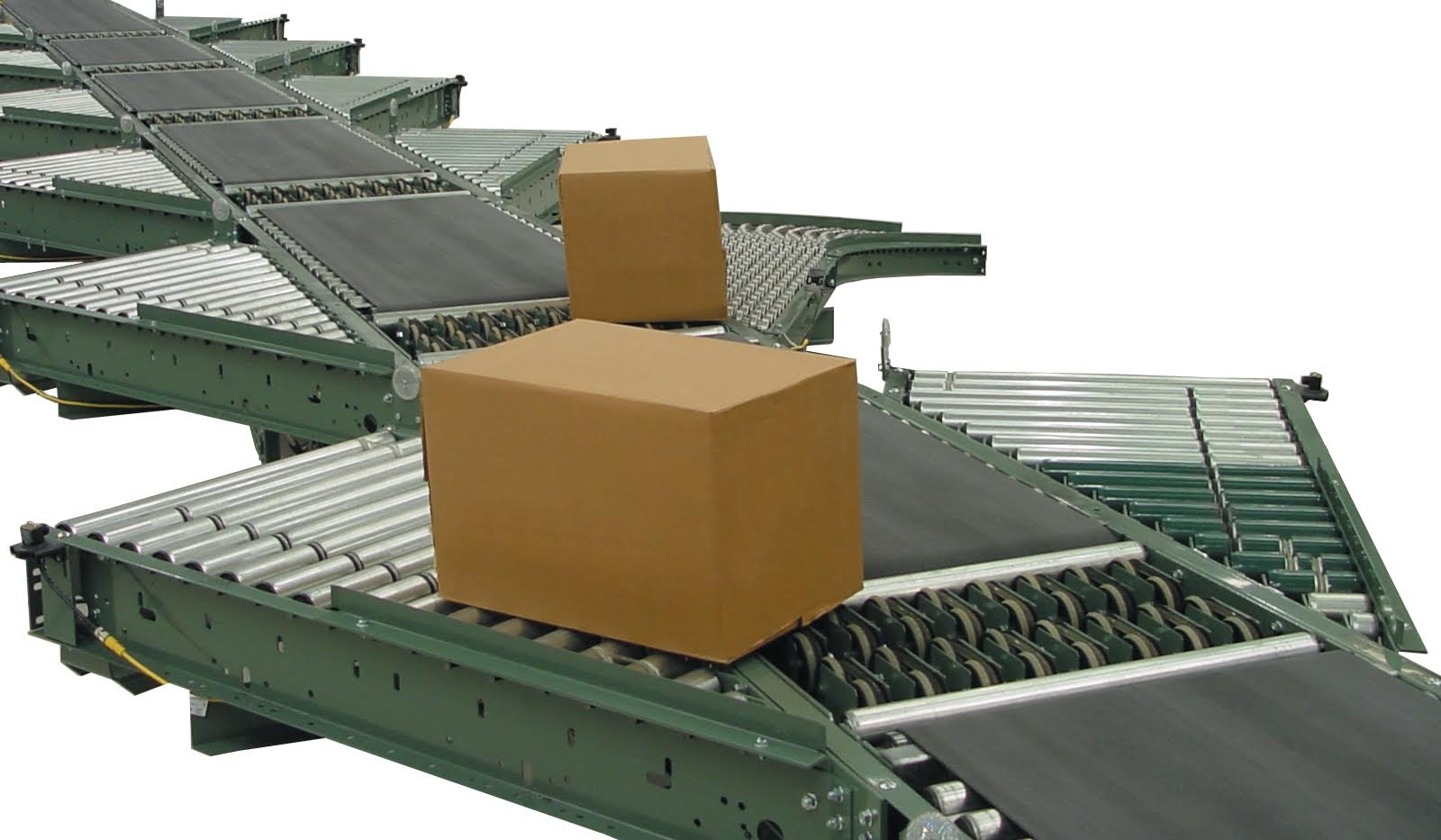
An automated sortation system identifies items and directs them to the correct lane, chute, or destination without any manual handling.
Core elements typically include conveyors, diverters (pushers, shoes, or crossbelts), scanners for label/ID capture, and control software that orchestrates routing.
Benefits of automated sortation systems include:
- Faster order processing: Increase lines/hour without adding headcount.
- Fewer errors: Scanners and software send items to the right destination.
- Lower cost per order: Fewer touches and less rework.
- Happier customers: On‑time shipping during peaks.
- Room to grow: Add lanes, chutes, or cells as volumes rise.
- Real‑time visibility: Dashboards expose jams, exceptions, and trends.
Which Sortation Types Fit Your Work
It’s important to match the right sortation system to your SKUs, packaging, and required rates:
- Tilt‑tray: For small or light items; high sortation density; gentle handling.
- Crossbelt: Mixed sizes and packaging; precise placement into chutes/totes.
- Shoe: Cartons and polybags at higher rates; gentle for irregular-sized items.
- Narrow‑belt/Popup wheel: Cost‑effective zone diverting for cartons.
- Compact/modular systems: Tight footprints for small spaces; phased growth; seasonal peaks
How Do I Choose the Right Sorter?
“The best sorter is the one that fits your mix today and can stretch for next season,” Gerhardt says. “Design for your constraints first.”
Use these steps to pick the right sorter for your constraints and goals:
- Define the constraint: SKU mix, packaging (carton/polybag/tote), peak rates, error hot spots.
- Map the flow: Infeed locations, accumulation, induction, divert density, and discharge lanes.
- Right‑size technology: Zone divert vs. shoe vs. crossbelt vs. tilt‑tray, based on rates and gentleness required.
- Plan the controls: Scanner/read rate targets, WMS/WES integration, exception handling, recirculation.
- Stage the rollout: Pilot a lane or cell, measure lines/hour, mis‑sort rate, and dwell time, then scale.
- Account for growth: Leave space/power/network for additional lanes and chutes.
Cost & ROI Snapshot
Sortation systems can be tailored to fit your space, budget, and goals. But finding the right one for your business can improve your ROI and help you grow in the future.
| Solution | Best For | Primary ROI Drivers |
| Zone divert (narrow‑belt/popup) | Carton divert at moderate rates | Lower capex; quick install; fewer touches |
| Sliding‑shoe | High‑rate carton/polybag sort | Throughput; accuracy; labor savings at peaks |
| Crossbelt | Mixed sizes/totes/chutes | Placement precision; flexible lanes; error reduction |
| Tilt‑tray | Small/light item density | High destinations; gentle handling; compact footprint |
Quick-Start Implementation Checklist
- Confirm SKU and package profiles with six to 12 months of data.
- Set target metrics: lines/hour, mis‑sort percentage, on‑time ship percentage, labor per 1,000 lines, etc.
- Validate read rates (labels/scan quality) at induction.
- Design exception paths for no‑reads, oversized packages, and damages.
- Test WMS/WES messages (induct, divert confirm, exception).
- Train operators and set visual standards for jams/clears.
- Schedule preventive maintenance and stock critical spares.
FAQ: Automated Sortation Systems
What is an automated sortation system?
A system combination of conveyors, scanners, diverters, and control software that directs items to the correct destination without manual handling.
How much space do I need?
Compact, modular systems can fit tight footprints, while larger crossbelt or tilt‑tray installs require more space, longer runs and more destinations.
Can I phase this into my business?
Yes. Many facilities start with a zone divert or a single sorter cell, then add lanes or destinations as volumes increase.
How does sortation improve accuracy?
Barcode/RFID reads at induction and controlled diverts reduce human error and mis‑sorts, improving accuracy.
Next Step
Not sure which sorter fits your business? Let us do a review.