
WHEN CONVEYOR SYSTEMS CAN HELP
A CONVEYOR SYSTEM MAY BE THE RIGHT NEXT STEP IF YOUR TEAM IS DEALING WITH:
- Too much walking or forklift travel between zones
- Product backing up at picking, packing, sortation, or shipping
- Too many manual touches slowing down order flow
- Safety risks from people and forklifts working in the same space
- Inconsistent movement between floors, mezzanines, or work areas
- Seasonal peaks that strain your current process
- A need to connect storage, robotics, palletizing, sortation, or dock operations
Conveyors are often a practical first step toward better warehouse, distribution center, or manufacturing flow.
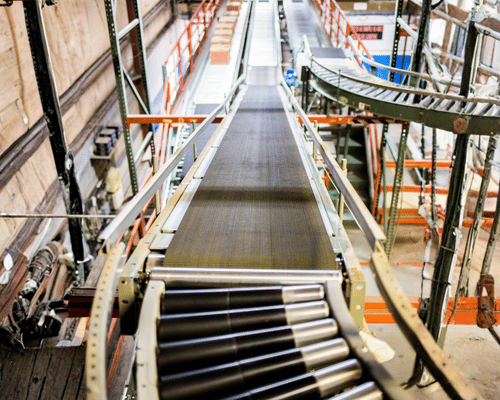
WHERE CONVEYORS FIT IN YOUR WAREHOUSE FLOW
CONVEYORS HELP CONNECT THE KEY STAGES OF YOUR OPERATION. THEY SUPPORT:
Our job is to look at the full workflow, determine where new or updated conveyors make sense, and help you understand what can be improved now versus phased in later.
CONVEYOR SOLUTIONS BY WORKFLOW
SIX SOLUTIONS FOR HOW YOUR OPERATION MOVES
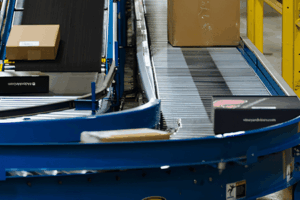
Move product between zones
Transportation conveyors help move boxes, totes, pallets, packaged goods, and other materials more consistently between receiving, storage, production, picking, packing, and shipping.
Common options may include powered roller conveyors, belt conveyors, chain-driven conveyors, and other systems selected around your product size, weight, speed, and layout.
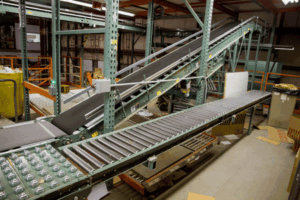
Control backups and buffer product flow
Accumulation conveyors create controlled buffer zones so product can pause, queue, or build up without disrupting the rest of the line.
They’re often used before packing, labeling, inspection, sortation, or shipping to keep work moving more smoothly.
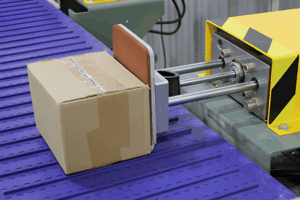
Route orders to the right lane, dock, or process
Sortation conveyors help route product by order, carrier, dock door, customer, SKU, or workflow so items move to the right next step with less manual decision-making.
They can support e-commerce, retail, wholesale, production, and shipping operations where accuracy and speed matter.
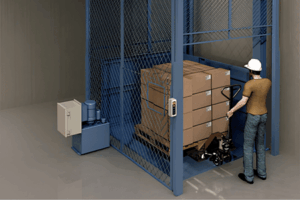
Move heavy or palletized loads with fewer forklift touches
Pallet handling conveyors help move heavier loads, including pallets, skids, containers, and bulk materials, between fixed points.
They can reduce forklift traffic, improve safety, and support repeatable movement in receiving, production, palletizing, staging, and shipping areas.
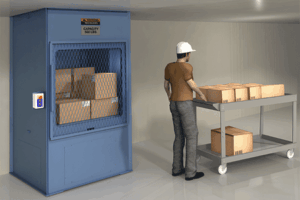
Add flexible movement where you need it
Portable conveyor systems can support peak seasons, temporary projects, truck loading, changing product lines, or short-term workflow changes.
They give your team added movement where it’s needed without committing every area to a fixed system.
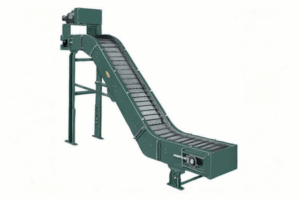
Connect mezzanines, levels, and elevated work areas
Mechanical vertical conveyors and hydraulic vertical reciprocating conveyors help move pallets, cartons, totes, parts, and materials between floors, mezzanines, pick modules, and elevated work platforms.
They can reduce manual handling, limit forklift use near elevated areas, and keep multi-level workflows moving.
Designed to work with the rest of your warehouse
A conveyor system only works as well as the workflow around it.
That’s why our team looks at how conveyors connect with your racking, storage layout, dock areas, pick paths, forklifts, robotics, safety zones, and warehouse software.
Depending on your goals, conveyors may be integrated with:
- Racking and storage systems
- Mezzanines and pick modules
- Dock and door equipment
- Palletizing and depalletizing solutions
- AMRs and robotic work cells
- Sortation systems
- Warehouse safety products
- WMS, WES, or WCS integrations
Our Engineered Solutions team helps bring those pieces together so your system works as one connected flow.
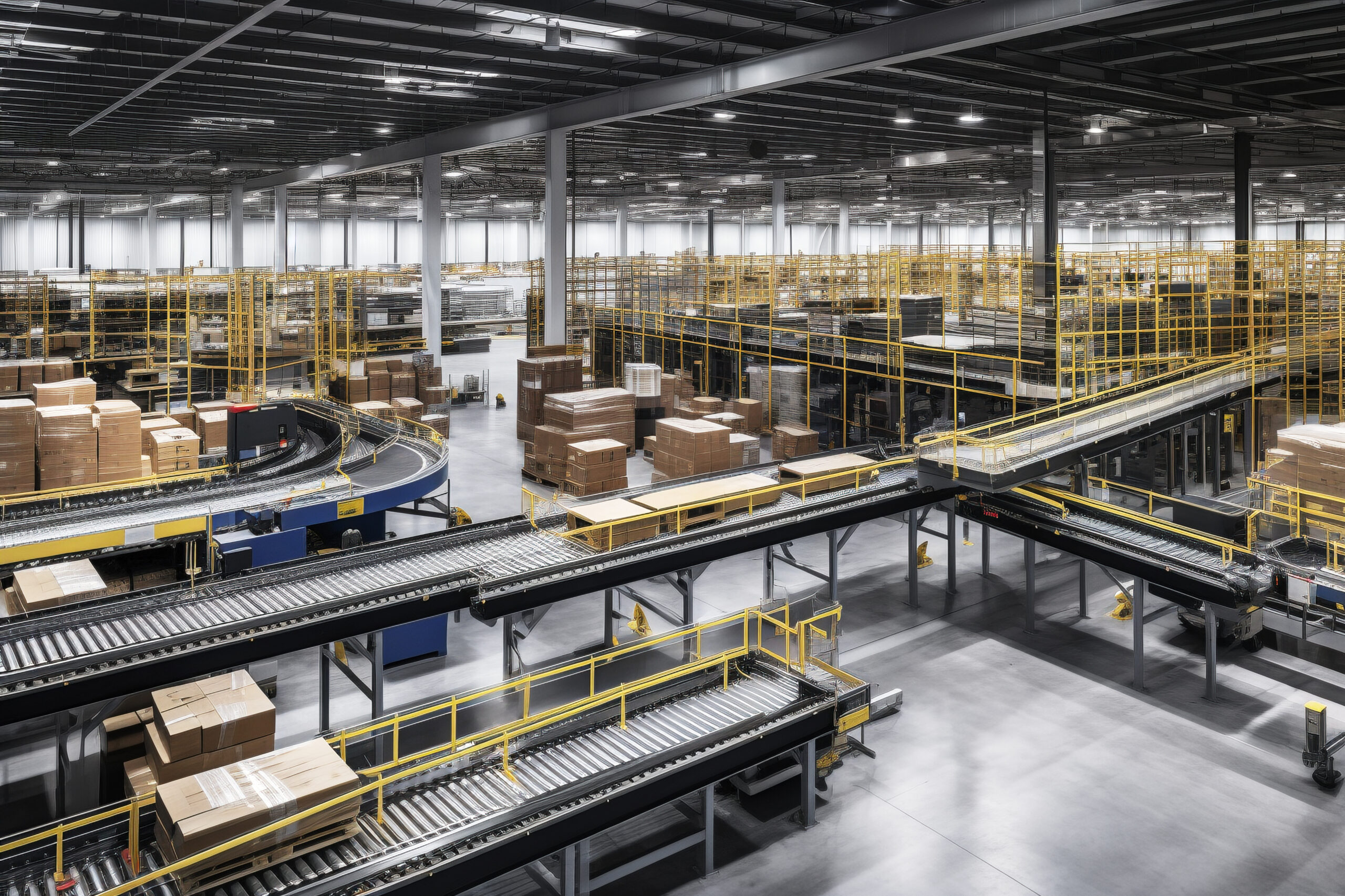
How we help you select your conveyor systems
You don’t need to know exactly what conveyor system you need before you call us.We start by understanding how products move today and where delays happen.
We assess your current flow
We identify the right opportunities
We propose options that fit with your operation
We help you phase the work