
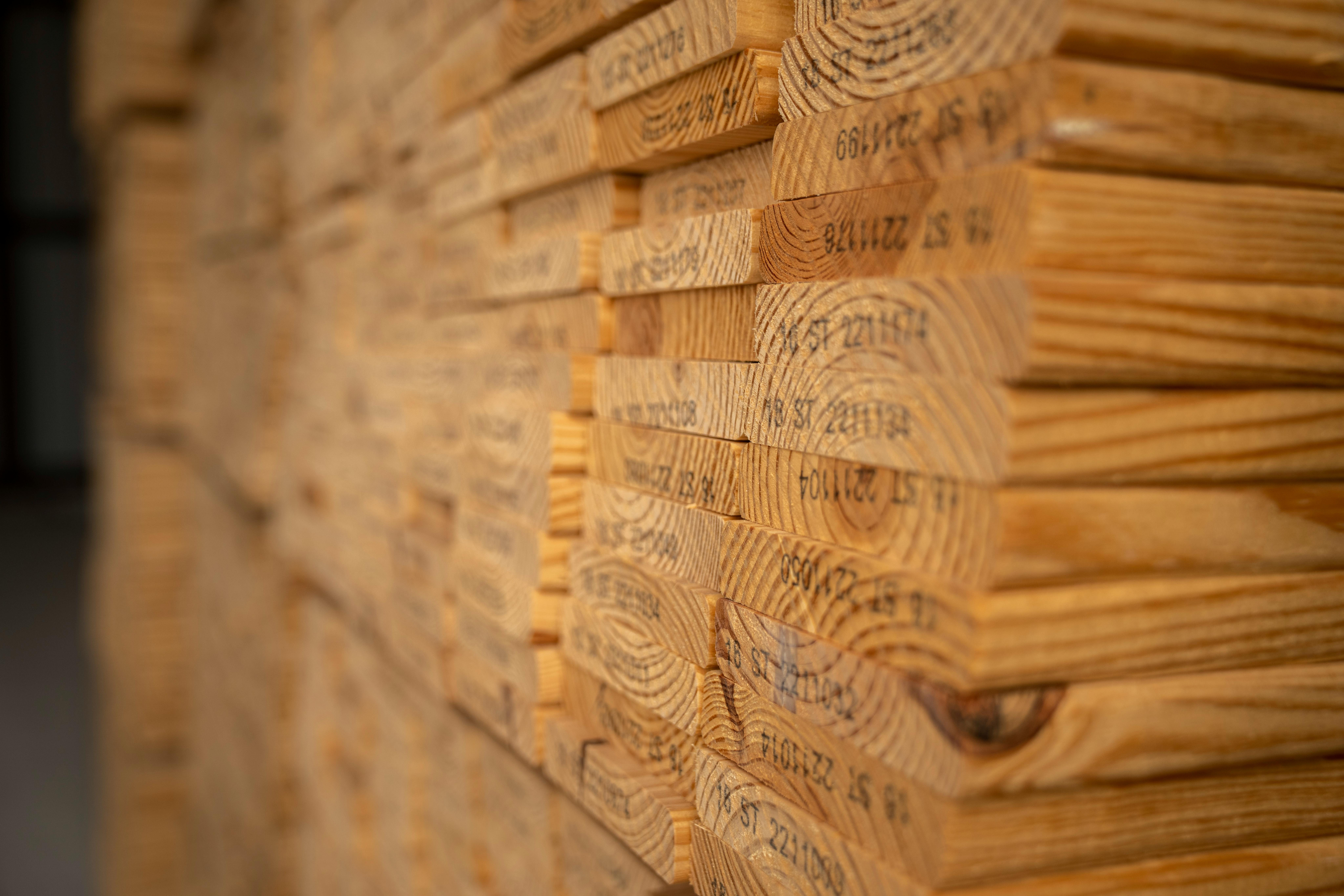
5 Forklift Forks for Wood Products to Reduce Damage
In wood product manufacturing and handling, small issues can turn into big problems fast when they result in gouged hardwood, dropped bundles, and restacking.
Upgrading your forklift forks can significantly protect your products and bottom line — especially for lumber, plywood, MDF, and long stock.
“The type of forks on your truck may not be a major consideration, but they decide whether your load moves cleanly or costs you rework,” says Tony Jennings, technical training manager at Burwell Material Handling. “The right profile and length pay for themselves by avoiding costly damage.”
But how do you pick the right forklift forks for your needs? Let’s dive into the best forks for different products, when to replace, and more.
How Do Fork Upgrades Solve Problems for Wood Products?
Worn or ill-suited forks can be a silent drain on productivity, a safety hazard waiting to happen, and even contribute to product damage.
Common problems include:
- Slipping/unstable picks: Worn tips and wrong lengths force constant re‑positioning and slow cycles.
- Product damage: Scratches, dents, and edge breaks on wood products such as plywood/MDF and finished hardwood.
- Safety risk: Thin, cracked, or bent tines increase the likelihood of dropped loads and injuries.
- Hidden cost: Strain on mast, chains, and hydraulics from poorly supported loads increases maintenance and costs.
Benefits to upgrading your forklift forks include:
- Lower write‑offs: Fewer scratches/dents on sheets and finished goods.
- Faster cycles: Fewer re‑positions and cleaner entries reduce dwell at stacks.
- Fewer incidents: Better grip and right sizing lower dropped‑load risk.
- Extended equipment life: Less abuse on mast/hydraulics from unstable loads.
Which Fork Type is Right For You?
There are a variety of specialized forks that can address the unique challenges of handling wood products:
- Lumber forks (tapered tips): Slide cleanly between layers; reduce splintering and speed bundle handling.
- Wide forks: Increase surface area for plywood/MDF sheets; reduce bowing and tip‑over risk.
- Anti‑slip forks: Coated surfaces improve grip on smooth or damp lumber to prevent slippage.
- Fork extensions: Support long stock and molding; always observe rated capacities and length‑to‑fork rules.
- Weigh forks: Integrating a weighing system directly into the forks allows for on-the-spot weight checks of lumber bundles, crucial for inventory management and preventing overloading.
When is it Time to Replace Forks?
Add these checks to your PMs and pre‑shift inspections:
- Heel/thickness wear: Replace at ~10% wear (per common standards) to avoid capacity loss.
- Cracks/bends: Inspect shank, heel radius, and tips, and remove from service if defects appear.
- Locking/pin condition: Damaged or missing locks allow drift and uneven loads.
- Length/width match: Verify forks match common load sizes to minimize overhang and re‑positioning.
- Surface condition: Sharp burrs and rough edges mar finished wood, so replace as needed.
How Do I Choose the Right Fork Set?
Exploring the range of specialized fork options available could be the key to unlocking greater efficiency, enhancing safety, and boosting your bottom line.
“Start with the aisle that gives you the most grief, like long stock or sheet goods,” Jennings says. “Fix that with the correct forks, and you’ll feel the difference in one shift.”
Use this short assessment to help choose the right fork for you:
- Map your mix: Bundles, sheet goods, long stock; note typical weights and dimensions.
- Identify hotspots: Where are the most damages, re‑stacks, or near‑misses?
- Fit to flows: Pick the profile (tapered/wide/anti‑slip) and the length that reduces re‑positioning.
- Confirm capacity: Account for attachments/extensions and center‑of‑gravity shifts.
- Pilot on the worst lane: Validate damage reduction and cycle time, then standardize.
Quick-Start Rollout Plan:
- Audit 10 recent damage claims and near‑miss reports. Tag the root causes tied to fork fit/condition.
- Measure a baseline: Re‑positions per pick and average dwell per stack.
- Install trial forks on one truck in the worst lane, and train operators on the new profile and limits.
- Track before/after: Damage incidents, re‑positions, and cycle times, and decide on standardization.
- Update PM/inspection sheets with fork wear and lock checks and stock critical spares.
FAQ: Forklift Fork Upgrades
How often should forklift forks be replaced?
Forklift forks should be replaced when thickness wear approaches ~10% or immediately if they’re bent or cracked. Make sure to inspect them daily and during PMs.
Do fork extensions reduce capacity?
Yes. Extensions change the load center and may reduce rated capacity. Always follow the manufacturer’s charts and site policy.
Are anti‑slip coatings durable?
Industrial coatings hold up well under normal use. Just make sure to include them in PM cleaning checks and re‑coat if the grip degrades.
Can weigh forks integrate to inventory systems?
Many weigh‑fork kits offer Bluetooth/serial outputs for WMS/ERP integration. You’ll need to verify their compatibility before purchasing.
Next Step
Want to cut down on wood‑product damage and boost your material handling? We can guide you on which forks are best for your business.