
Forklift Safety Cameras: How They Reduce Blind Spots, Accidents, and Cost
Adapted with permission from Blaxtair
Limited visibility is one of the biggest contributors to forklift accidents.
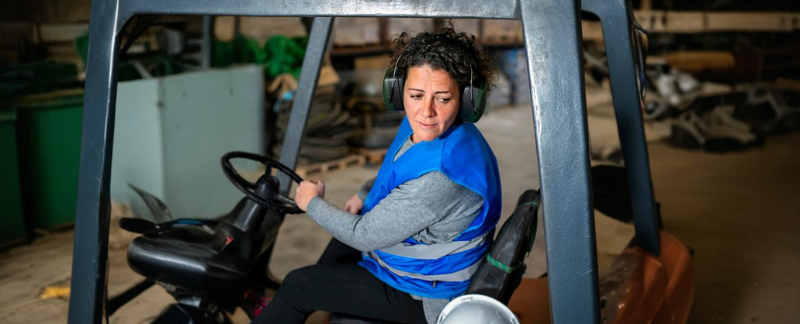
Blind spots at the mast and behind the truck often lead to collisions, serious injuries, near-misses, property damage, or even fatalities.
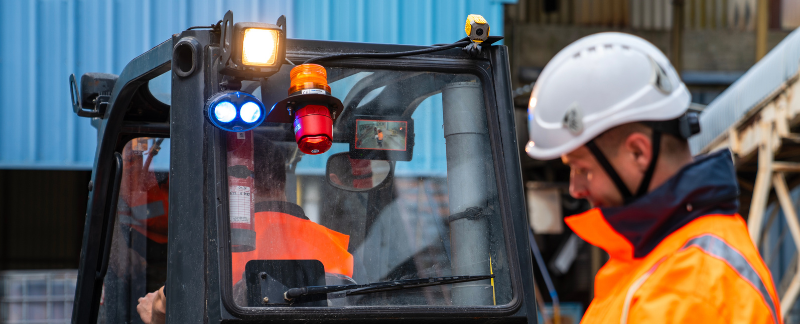
Forklift safety cameras — especially when paired with AI-pedestrian detection — offer operators a real-time view of hard-to-see areas around the machine, so they can move more confidently and safely.
“Cameras take the guesswork out of tight maneuvers or busy warehouses,” says Jeff Buyck, Chief Technology Officer for Burwell Material Handling. “Not only does that significantly reduce collision risks and enhance workplace safety, but when operators can see what mirrors often miss, they can be more productive and avoid hazards.”
Keep reading to find out more about the benefits of forklift safety cameras and how to implement the right one into your business.
What Are Forklift Safety Cameras?
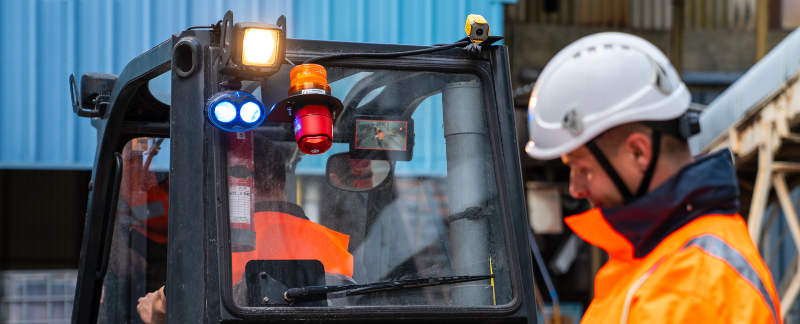
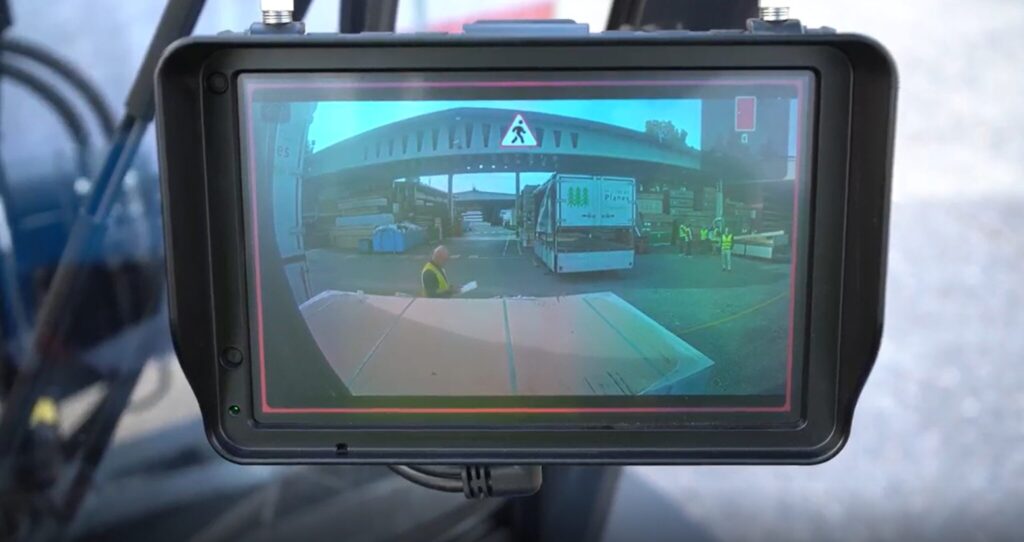
Forklift safety cameras are vehicle-mounted cameras that stream live video to an in‑cab display, revealing blind spots the operator can’t see with just mirrors alone.
Advanced systems add infrared for low light and AI that can recognize pedestrians and trigger alerts. Common camera placements and functions include:
- Mast cameras: Help with fork alignment and precise load placement
- Rear cameras: Provide a clear view while reversing
- Overhead/side cameras: Expand visibility around the truck’s perimeter
- In‑cab display: Keeps views within the operator’s line of sight so they don’t have to twist or over‑rely on mirrors
- AI options: Detect pedestrians/objects and issue audible/visual warnings; infrared keeps visibility in dim aisles or during night shifts
What are the Benefits to Using a Safety Camera?
Forklift blind spots are a major hazard, so a well-positioned forklift safety camera can help operators see around the entire vehicle, including behind and above. Their benefits include:
- Fewer collisions and near‑misses: Operators see pedestrians, vehicles, and racking earlier.
- Reduced strain/fatigue: Less twisting and constant mirror‑checking improves ergonomics.
- Faster, cleaner moves: Better visibility speeds maneuvering and improves load placement accuracy.
- Lower cost per move: Fewer incidents mean less damage, downtime, and investigation time.
- Compliance support: Visibility tools help meet safety obligations and strengthen training.
How Do I Choose the Right Camera System?
Not all forklift camera systems are created equal. Choosing the right one involves matching their features to your environment and tasks. Consider:
- Placement: Mast, rear, or full 360° coverage based on your blind‑spot map
- Video quality and low light: HD with infrared for dark aisles and docks
- AI pedestrian detection: Real‑time alerts to prevent person‑vehicle conflicts
- Ruggedization: Dust, moisture, vibration, and temperature ratings for industrial duty
- Integration and service: Power/installation kits by truck model; parts availability and technician support; demo before you buy
How Do Cameras Fit Into Your Safety Strategy?
“If you’ve had near‑misses in high‑traffic aisles, it’s time to implement a forklift safety camera into your business model,” Buyck says. “But ideally, you shouldn’t wait until an incident almost occurs.”
Implementing cameras works best as part of a layered approach:
- Proximity sensors and alarms to reinforce alerts.
- Operator training that covers camera views, limits, and best practices.
- Standard work for jams, congested aisles, and dock approaches.
- Inspections and PM checks to keep lenses clean, mounts tight, and displays functioning.
FAQ: Forklift Safety Cameras
Are forklift cameras required by OSHA?
OSHA doesn’t mandate cameras specifically, but it’s important for employers to minimize hazards. Cameras help you identify and reduce visibility risks.
Do cameras replace mirrors?
No. Cameras complement mirrors and give clear views of blind spots, especially behind the forklift and at the mast.
Will cameras slow operators down?
Most sites see the opposite — operators move faster with fewer corrections because they can see precisely what’s around them.
Do I need AI detection?
It’s highly recommended in busy pedestrian zones. AI can alert operators before a person-vehicle conflict occurs.
Next Step
Want to reduce incidents in your high‑traffic aisles? We can map your blind‑spots and recommend camera placements.