
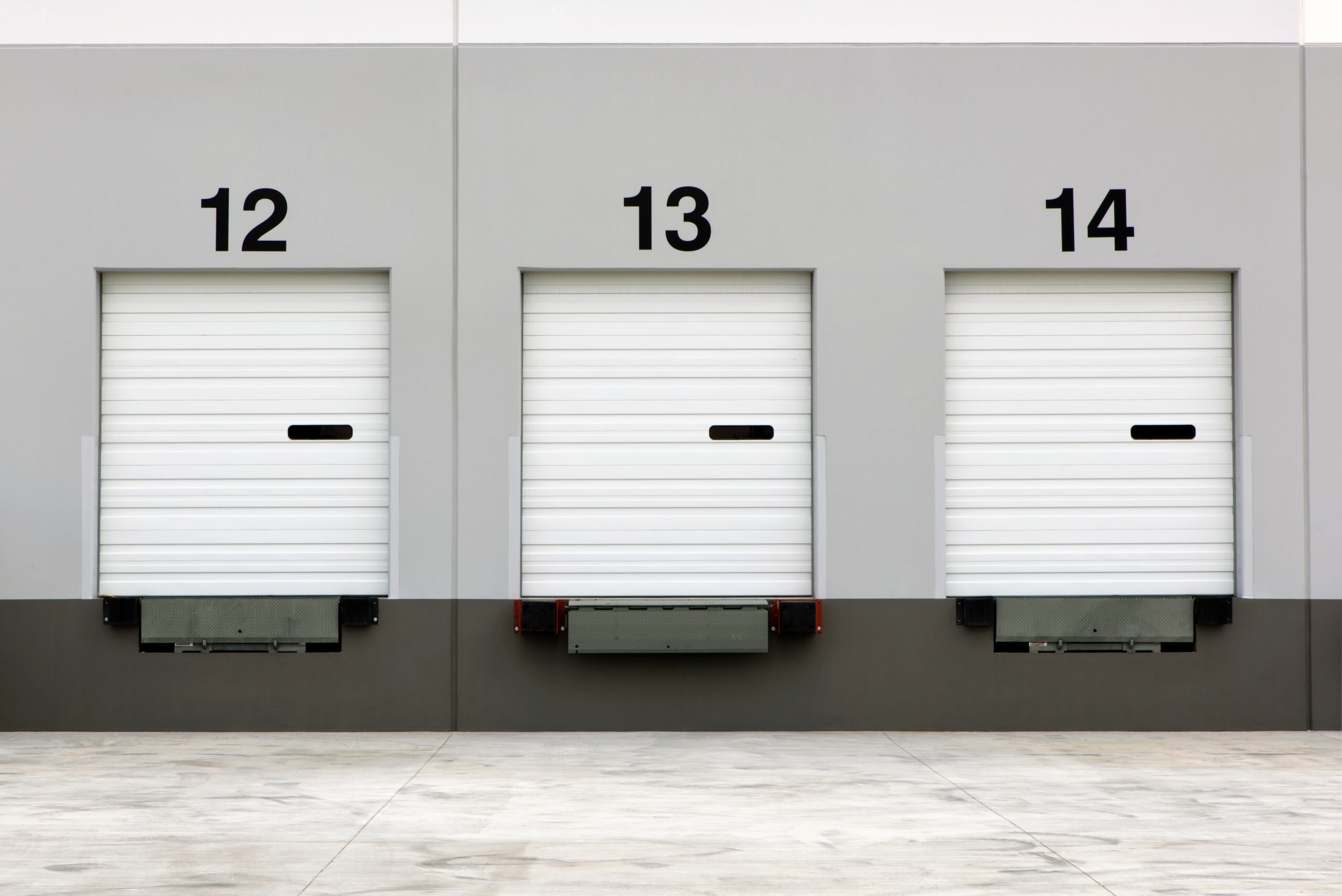
Loading Dock Design: Early Planning Improves Safety, Flow, and Cost
Adapted with permission from Kelley
Your loading dock sets the rhythm for everything upstream.
Plan its design well, and you gain faster turns, fewer incidents, tighter climate control, and lower build and operating costs.
Plan it too late or around constraints you didn’t measure for and you inherit bottlenecks that are expensive to fix.
“It’s amazing how a well-planned loading dock can provide your business with advantages you might not have even considered,” says Tom Racer, industrial products sales representative for the Engineered Solutions team at Burwell Material Handling. “Planning early, and considering things like your facility layout, trailer sizes, and traffic volumes allow your material handling flow to go much more smoothly.”
In this guide, we’ll take a look at several dock design considerations that could potentially end up being pitfalls and why they’re so important to address early in your planning process.
What are the Four Most High‑Impact Factors in Designing a Dock?
The four most critical considerations to pay attention to — regardless if your facility is large or small — are centerlines, apron space, dock height, and severe declines.
Beyond just the dock itself, centerlines and apron space will impact the entire transportation pattern and maneuverability capability around your warehouse or distribution center.
Door Centerlines (Throughput vs. Maneuver Time)
Centerline spacing between dock doors directly affects trailer approach and park time. Tighter spacing adds door count, but can slow each maneuver; wider spacing speeds maneuvers and reduces conflicts.
- Use no less than ~12 ft. between door centerlines; ~14 ft. is a safer minimum when trailers open doors at the dock.
- As centerlines widen, required apron distance can drop; use this lever when space forward of the dock is constrained.
Apron Space (Real Estate Your Trucks Need)
Apron space is the clear distance from the doors to the point where trucks can pull up and square the trailer. Too little apron space can force multi‑point turns, stalls, and near‑misses; adequate apron space shortens each cycle.
- Target ample apron for 53‑ft. trailers when doors are at ~12 to 14‑ft. centerlines; tighter sites may need angled (sawtooth) docks.
- Match solutions to context: older urban sites or mixed fleets may benefit from sawtooth designs that trade angle for depth.
“Apron space is time,” Racer says. “Give drivers enough room, and you have the potential to clear more doors per hour.”
-
Dock Height & Approach Geometry
Mismatched dock height or steep declines create collision risks. On sharp down‑slopes, the trailer roof can meet the wall before the bed is level with the floor, leading to building strikes and door damage.
- Coordinate finished floor elevation with typical trailer bed heights for your fleet.
- If a decline is unavoidable, evaluate extended pits or cantilevered levelers to keep impact points away from the wall.
Site Constraints & Traffic Pattern (Design to Reality, Not to Ideal)
Irregular lots, fences, and shared drive lanes all shape how trucks actually approach the doors. Plan clockwise or counter‑clockwise flows upfront so turns are predictable and sight lines are clean.
Rules of Thumb to Remember (Validate On‑Site)
- Centerlines: Avoid <12 ft. Ideally prefer ~14 ft. if you open trailer doors at the dock.
- Apron depth: Plan generous clearance for 53‑ft. trailers at 12 to 14‑ft. centerlines; sawtooth layouts can reduce depth in tight sites.
- Declines: Minimize. If required, consider extended/cantilevered levelers to keep trailers off the wall.
How to Move Fast in Your Planning Workflow
It’s easier to identify any potential problems or issues earlier rather than later, when construction is complete. That way, you’ll avoid regretting not tapping into the right level of dock planning and design expertise early in the process.
To help with that process, you should:
- Map your trailer mix: Lengths, door styles, liftgates, and typical arrival patterns.
- Pick your traffic flow (clockwise/counter‑clockwise) and sketch truck paths before fixing door count or position.
- Choose centerlines and apron depth as a pair; model maneuver time and buffer space.
- Confirm dock height and slope; add engineered solutions early if you must use a decline.
- Pressure‑test with worst‑case trucks and peak volumes; adjust now, not after the pour.
FAQ: Loading Dock Design
Do more doors always increase throughput?
Not if centerlines and apron space are too tight. You’ll add doors, but ultimately slow maneuvers and create conflicts.
When should I use a sawtooth dock?
Use a sawtooth dock when apron depth is limited or site boundaries restrict truck swing. This kind of dock trades angle for the depth you don’t have.
How do I handle steep approaches?
Re‑evaluate elevations. If the slope is unavoidable, design leveler solutions that move impact points away from the wall.
Next Steps
Planning a new dock or fixing a tricky one? We can model your trailer mix and traffic pattern, then recommend centerlines, apron, and leveler geometries that speed turns and reduce risk. Contact the Burwell Material Handling team of experts today.