The ‘Moved Bottleneck’ Problem: How to Tell If Warehouse Automation Will Just Shift the Pain
Automation can optimize one part of your warehouse and still leave your material handling operation feeling stuck.
That is the “moved bottleneck” problem.
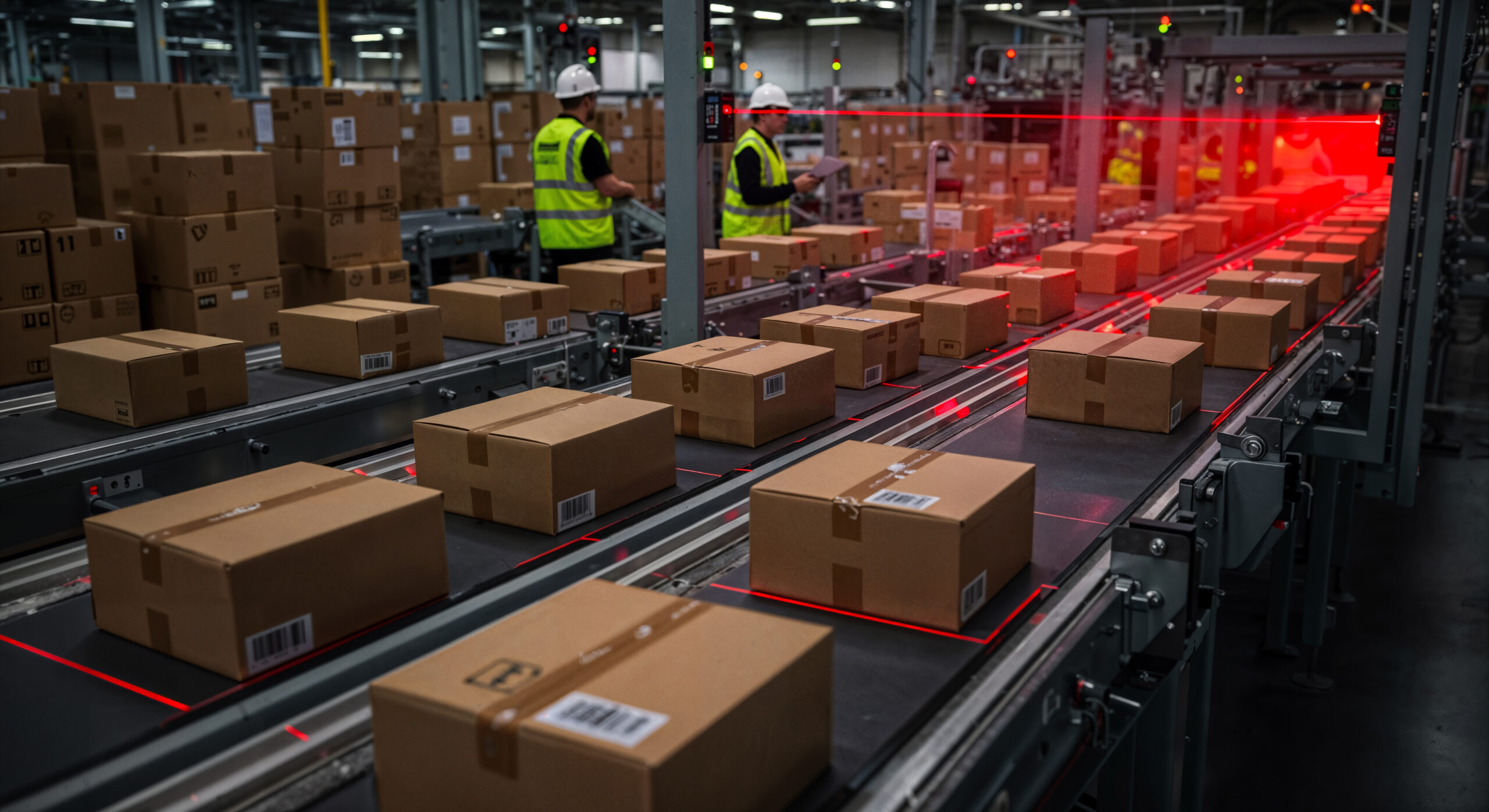
“It’s easy to say let’s automate your picking, but then you’ve not accounted for potentially the reduced amount of time that a picker will be picking, and then your packing gets an influx of orders,” says Stephen Leu, business development manager for Burwell Material Handling’s Engineered Solutions team.
Warehouse automation needs to be evaluated as part of the full material flow, in order to prevent just moving your material handling problems upstream or downstream.
What is the moved bottleneck problem?
A bottleneck is the part of the process that limits the output of the whole operation.
Automation can increase output in one area. But if the next area cannot handle that increased flow, the operation still feels constrained.
For example:
- Picking gets faster, but packing cannot keep up.
- Storage becomes denser, but replenishment becomes harder.
- Sortation improves, but shipping lanes back up.
- Receiving is faster, but putaway lags.
- A system reduces labor in one zone, but creates new staging pressure elsewhere.
“You just alleviate one bottleneck and don’t address another one,” Leu says.
That means the processes and systems around the warehouse automation solution were not fully evaluated. The ultimate goal should be to improve the flow of work through the building.
Look at the work zone, not the technology
A common mistake is starting with the technology.
“We need robots.”
“We need conveyors.”
“We need an ASRS.”
Instead, Leu recommends this approach:
“Let’s remove the name of the technology and talk about the work zone,” he says.
That shift matters. Instead of defining the project by the product, define it by the function:
- Receiving
- Inventory management
- Replenishment
- Picking
- Packing
- Sortation
- Staging
- Shipping
“Rather than saying, this is how the RoboShuttle or the Geek Plus solution will work, we want to describe picking as an operation vs. packing vs. receiving vs. inventory management,” Leu says.
A single work zone may also be supported by multiple technologies. For example, picking may involve storage, robotics, conveyance, sortation, software, scanning, or vision systems.
“So maybe it’s easier to describe how automation fits into a function rather than how automation just solves a problem,” Leu says.
That is the key mindset shift. Technology is a tool. The work function is what needs to improve.
Identify the main driver and secondary considerations
Before choosing a solution, define what the operation is truly trying to achieve.
Is your primary concern:
- Labor reduction?
- Throughput growth?
- Storage density?
- Accuracy?
- Safety?
Then identify other factors you need to address.
“You should always be asking what’s your main driver, and what are secondary considerations,” Leu says.
This is important because different drivers may point to different solutions. A density-first solution is not always the best answer for a throughput-first problem.
Your warehouse solutions partner should then work with you to discover motivations or uncover assumptions.
“What drivers push you to this solution?” Leu says. “Is it cost? Is it footprint? Is it elevation? Do you believe it’s the best to accomplish the drivers in sequence that you have?”
Those questions protect the project from being pulled toward a technology that solves one problem while under-serving the main objective.
Watch for signs you may be automating the wrong constraint
The moved bottleneck problem usually shows up before implementation if you know what to look for.
Warning signs include:
- The project starts with a technology name instead of a work function.
- The team wants storage density but the business case depends on throughput growth.
- The operation has not yet assessed their entire warehouse flow.
- The data does not support the preferred solution.
Growth assumptions deserve special attention. If the business expects major (as in, compounding) throughput growth, the solution also has to be evaluated against that future state, Leu says.
Be honest if the plan needs to change
Sometimes your assessment reveals a gap or you realize the previously selected solution will not match the stated driver goals. When that happens, the best approach is direct communication.
A good warehouse solutions partner should be willing to push back when the plan does not match the outcome the customer needs.
“If there’s bad news to deliver, bad news does not get better with time,” Leu says. “Once your partner sees something, they should say something.”
At a glance: How to avoid moving the bottleneck
Before choosing a technology, define the system around the problem.

Start with these questions:
- What work function are we improving?
- What is the main driver?
- What secondary considerations matter?
- What does the data say?
- What upstream process feeds this area?
- What downstream process must absorb the improvement?
- What happens during peak?
- What constraint is likely to show up next?
- What facility or labor changes are needed to support the new flow?
The right automation plan should reduce the chance that tomorrow’s pain is created by today’s fix.
Next step
If you’re evaluating automation and want to make sure the solution fits the full flow of your operation, contact the Burwell Material Handling team of experts to help assess your work zones, drivers, and bottleneck risks before you invest.