
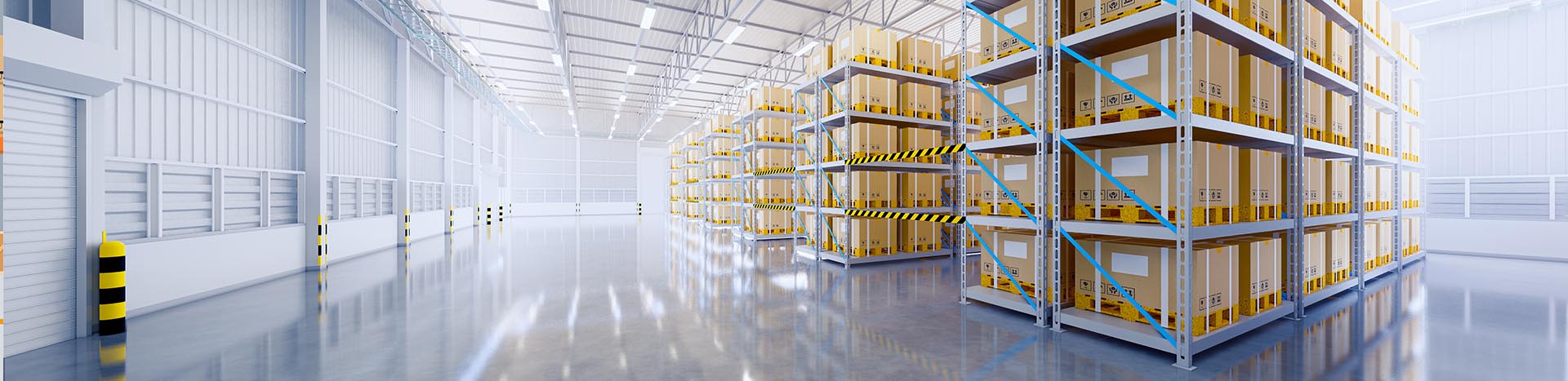
What are the four major types of warehousing?
Warehousing is a cornerstone of today’s supply chains. The way you store, manage, and distribute products has a direct impact on efficiency, costs, and customer satisfaction.
However, not all warehouses are the same. To make the best choice for your business and its material handling needs, it’s important to understand the four major types of warehousing and the pros and cons of each.
Private Warehousing
Private warehouses are owned and operated by your company. They give your business complete control over their operations but require significant upfront investment.
Advantages:
- Full control over layout, staffing, and processes
- Ability to customize the facility to exact business needs
- No shared resources with competitors
Disadvantages:
- High capital investment and operating costs
- Responsibility for all staffing, equipment, and compliance
“Private warehousing gives you total control, but it also means you carry all the responsibility,” says Jesse Pruden, COO of Burwell Material Handling. “It’s a good fit when your operation is large enough to justify the cost.”
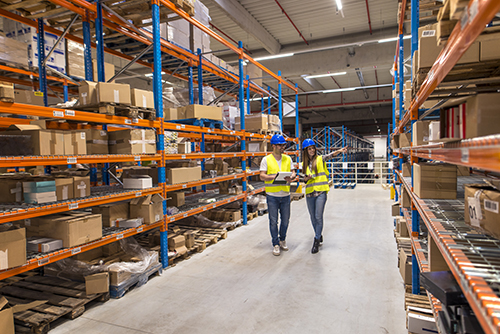
Public Warehousing
Public warehouses are shared facilities managed by third-party providers. Companies rent space and pay for what they use.
Advantages:
- Lower upfront costs
- Professional warehouse management provided
- Flexible and scalable to handle seasonal or demand fluctuations
Disadvantages:
- Less control over daily operations
- Potential need to share space with competitors
- Reliance on your warehouse provider’s capabilities and limitations
“Public warehousing is kind of like renting an apartment,” Pruden says. “You gain flexibility without the long-term commitment or hefty investment, but you also give up some control.”
Bonded Warehousing
Bonded warehouses are special facilities approved by customs authorities where importers can store goods without paying duties or taxes until those goods are released for distribution.
Advantages:
- Defer duty and tax payments
- Simplify import logistics and clearance
- Greater control over imported inventory
Disadvantages:
- Added compliance and regulatory requirements
- Potentially higher storage fees
“Bonded warehousing can be a smart tool for importers,” Pruden says. “It gives them breathing room on cash flow until you’re ready to distribute.”
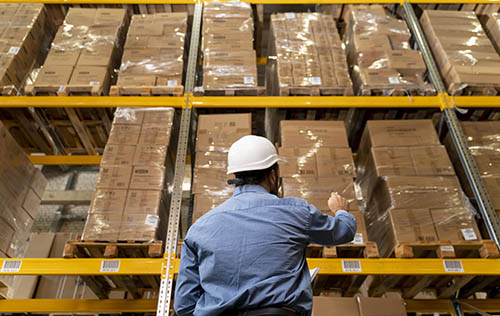
Contract Warehousing
Contract warehouses are dedicated facilities run by a third-party provider, but they are designed for a specific client’s needs. This model blends the benefits of private and public warehousing.
Advantages:
- Dedicated space customized for your business
- Access to professional warehouse expertise
- Lower upfront costs compared to private warehouses
Disadvantages:
- Less direct control than private ownership
- Often requires a long-term contract
“Contract warehousing can be a great middle ground for certain companies,” Pruden says. “You get a dedicated solution without having to build it yourself. However, you probably need to be comfortable with a long-term partnership.”
Which Warehousing Model Is Right for You?
Each model, whether private, public, bonded, and contract, has its own advantages and trade-offs.
The best choice for your organization depends on factors like budget, volume, import/export needs, and long-term growth plans.
Quick Comparison:
- Private: High investment with high control
- Public: Flexible, shared space generally with a lower cost
- Bonded: Ideal for importers delaying duties or taxes
- Contract: Dedicated facility designed for you, managed by experts
“There’s no one-size-fits-all answer,” Pruden says. “The key is aligning your warehouse strategy with your business goals and growth trajectory.”
Ready to Find the Right Warehousing Solution for Your Business?
Looking to enhance your warehouse operations? Explore our dock and door products and engineered solutions below to find the perfect fit for your facility.